The Hour is Getting Late: Report from the United States
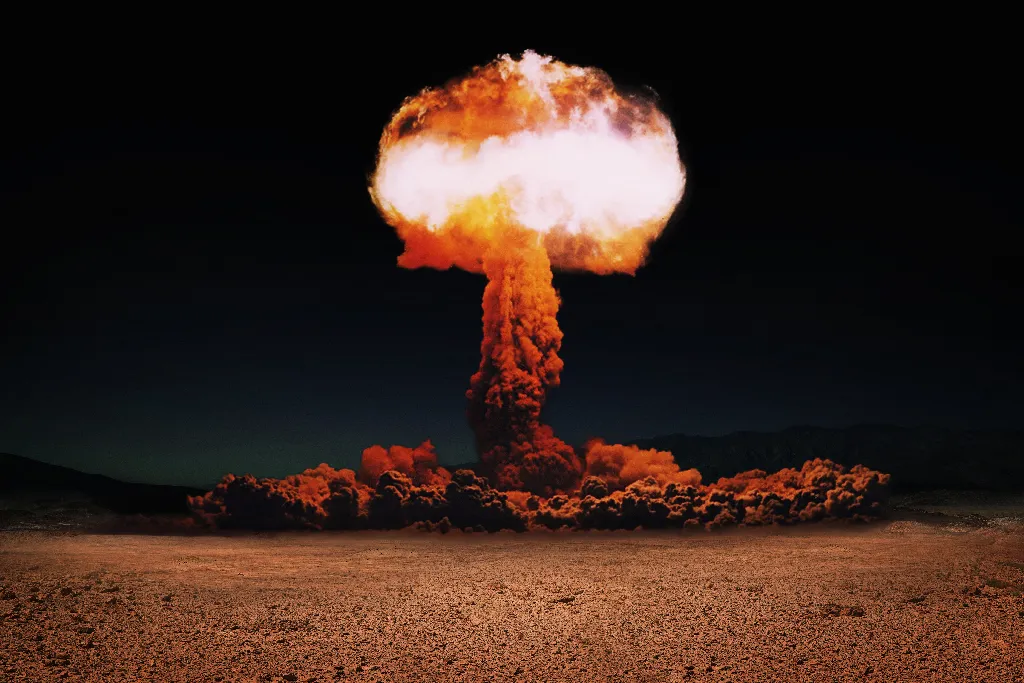
Speech by Joseph Gerson for the Bikini Day Commemoration – Annual Gensuikyo Conference, in Shizuoka, Japan, on February 27, 2026 (Delivered Online Due to Snow).
Speech by Joseph Gerson for the Bikini Day Commemoration – Annual Gensuikyo Conference, in Shizuoka, Japan, on February 27, 2026 (Delivered Online Due to Snow).
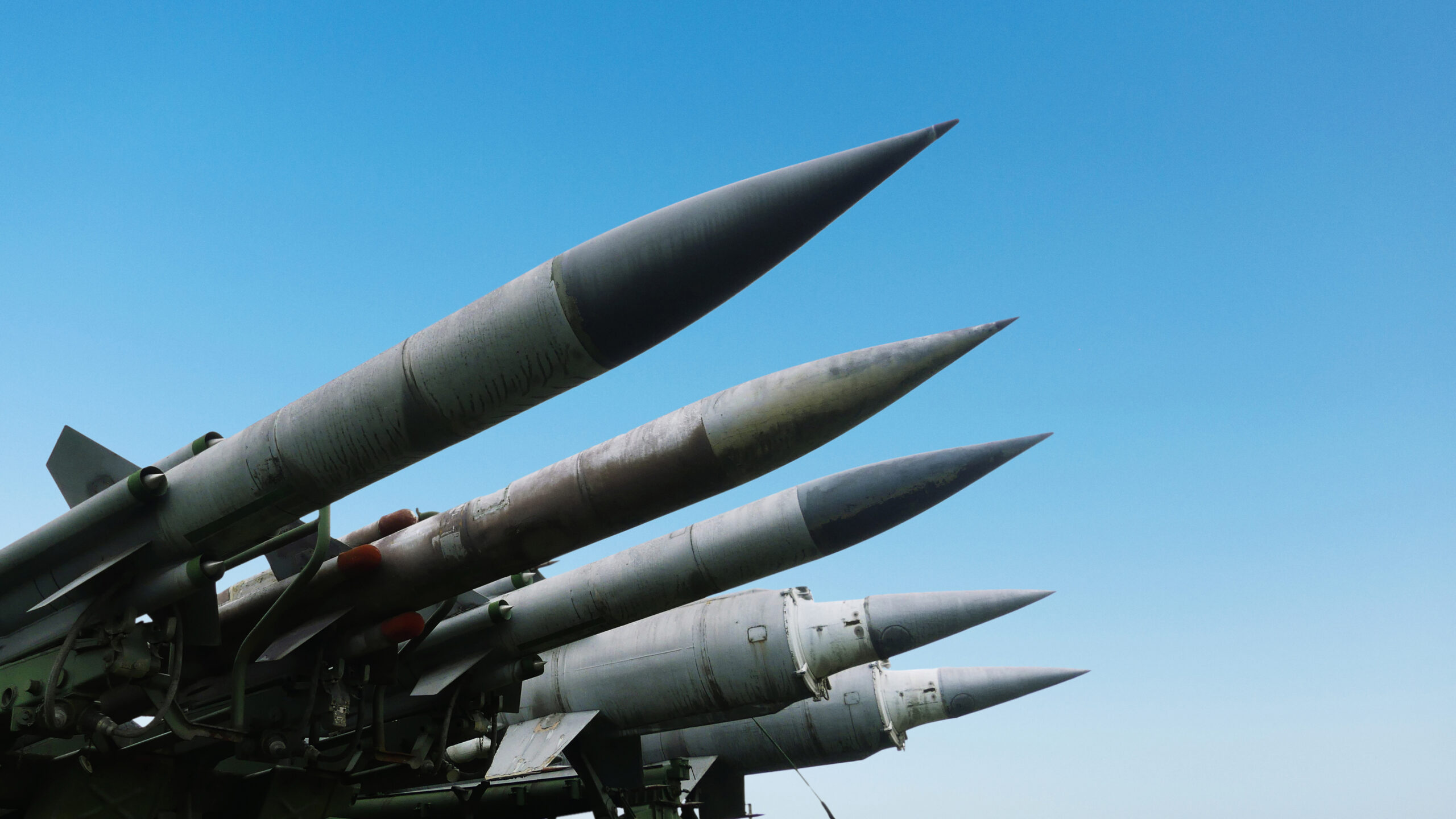
As headlines focus elsewhere, the world edges closer to nuclear catastrophe. With the Doomsday Clock at 85 seconds to midnight, the failure to extend arms control treaties and renewed threats of nuclear escalation put global survival at risk.

Drawing on inherited Holocaust trauma, the author warns that America’s present moment echoes a dangerous past. From ICE raids and militarized crackdowns to Nazi-evoking slogans and the refusal to investigate state violence, fear is being normalized and history is beginning to rhyme. “Never Again” was not a slogan but a warning—and it only matters if we listen before the scream echoes again.
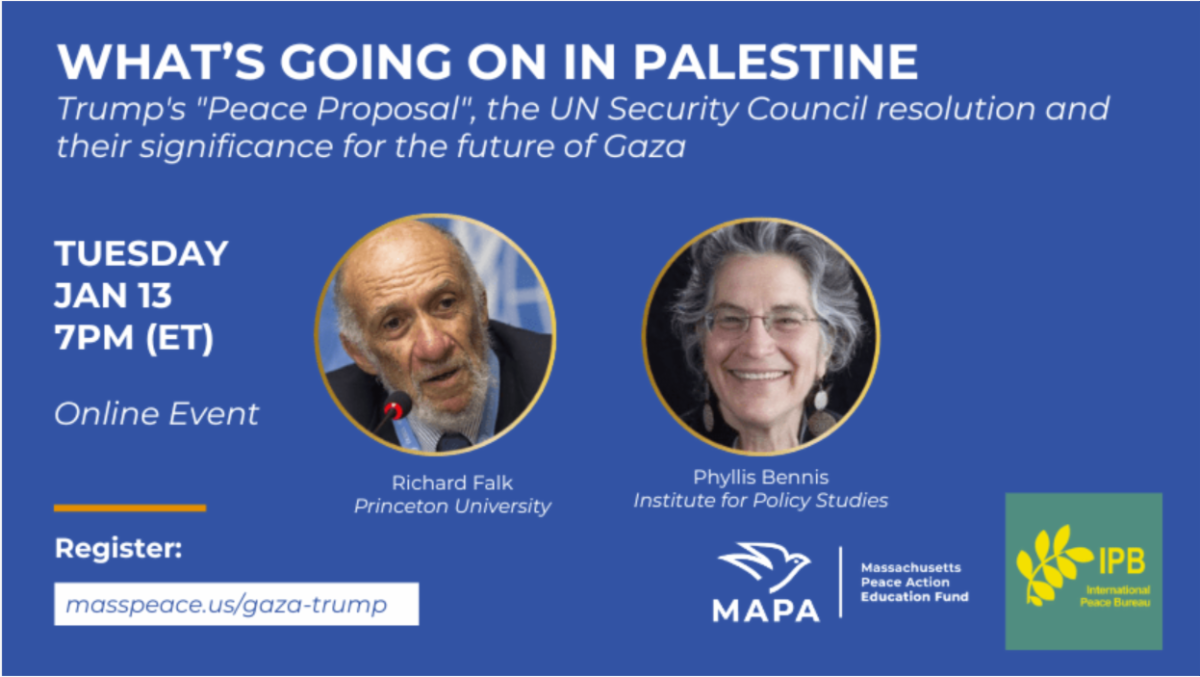
A CPDCS co-sponsored webinar explored the situation in Gaza and the West Bank, the future of the Trump so-called peace plan, and its broader Middle East geopolitical context.
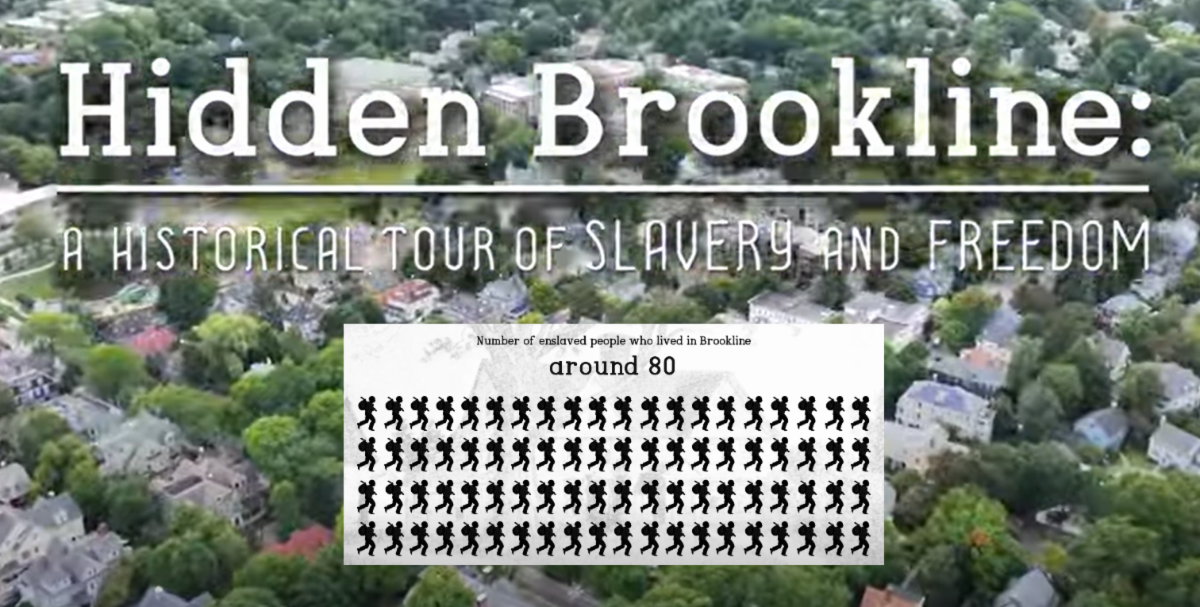
A reflection on resisting authoritarianism through grassroots democracy and historical truth, highlighting Hidden Brookline’s community-based, anti-racist project and its short film uncovering the hidden history of slavery in the Northeast.
This webinar brings together a new generation of activists working across peace, justice, and human rights movements. Through conversations with organizers from the U.S. and Europe, the session explores how young people are stepping into leadership, building coalitions, and reshaping long-term strategies for social change.

Trump’s threat to resume nuclear testing risks igniting a new global arms race and undermining key treaties like New START and the NPT. The article urges collective action to prevent renewed testing and to uphold disarmament, warning that the collapse of these agreements could lead to worldwide nuclear proliferation and the end of decades of restraint.
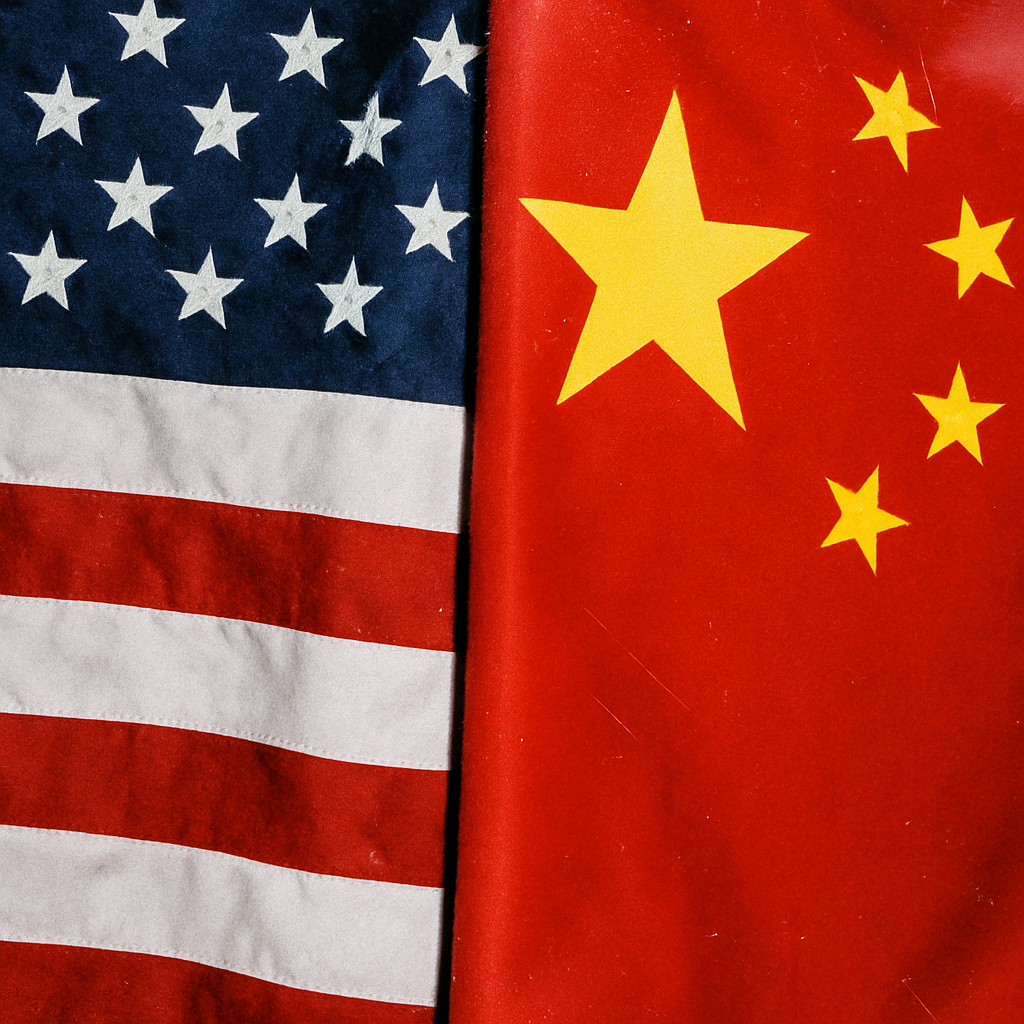
Humanity once again faces the perilous clash between rising and declining powers, this time between the United States and China. Their economic and military rivalry threatens not only their own stability but also global security. The trade war, competition for rare earths, and escalating military confrontations risk triggering a catastrophic conflict—potentially even nuclear. As tensions deepen across the Indo-Pacific, history warns that miscalculation could lead to devastation. Yet the alternative remains within reach: renewed diplomacy based on common security, recognizing that no nation can be safe while threatening another.
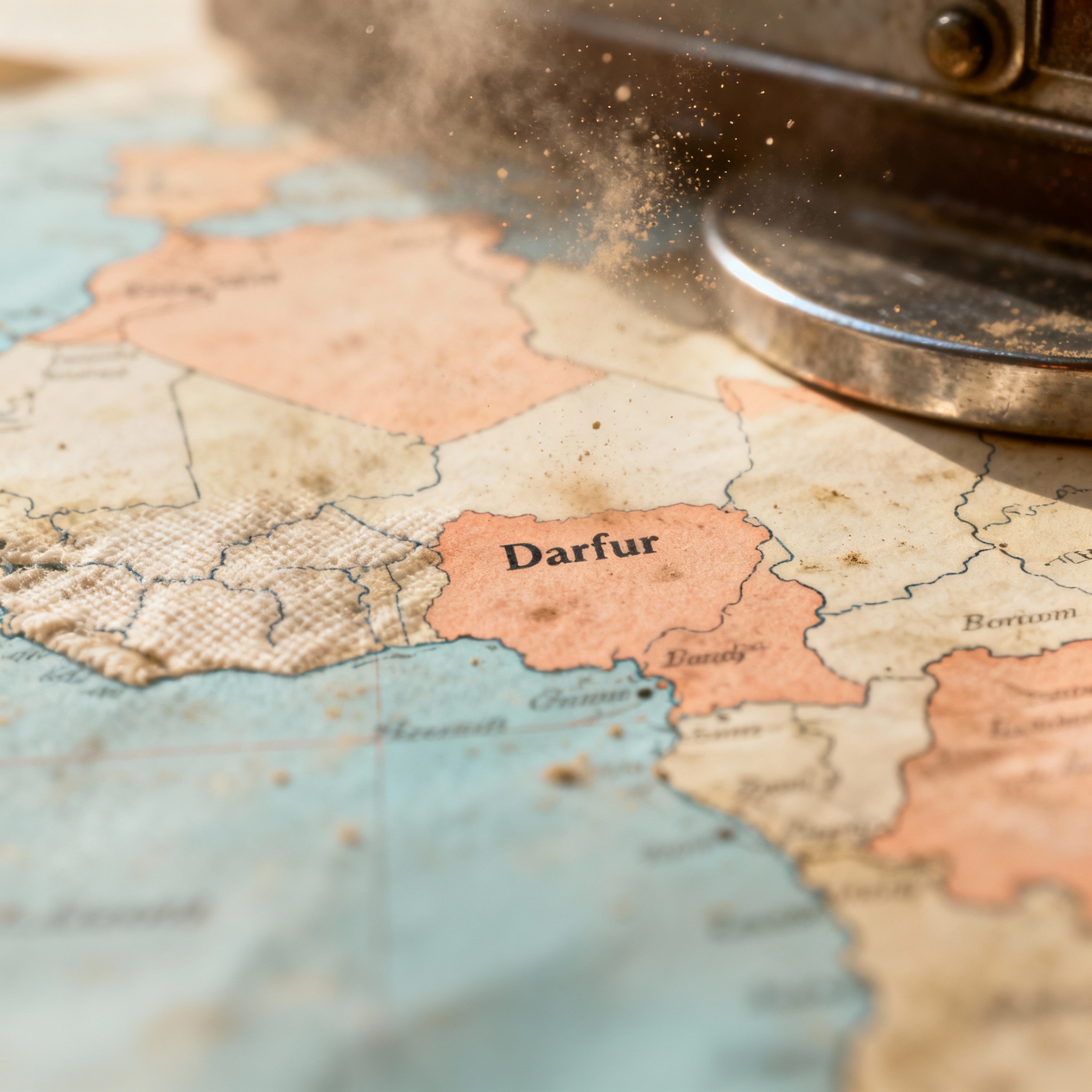
El Fasher, the last remaining city in Darfur, has fallen to the Rapid Support Forces, leaving thousands dead and 180,000 people trapped without safe passage. The International Peace Bureau condemns the violence and calls on global citizens, media, and governments to demand a cease-fire and unrestricted humanitarian aid for Sudan.
From Barcelona, peace activists from Venezuela share their fears as the U.S. threatens invasion or militarized regime change. Regardless of views on Maduro, war is not the answer. Join in supporting the Kaine-Paul War Powers Resolution (S.J. 90) to oppose U.S. intervention in Venezuela and promote peace.