
 sstoker
Election Protection vs MAGA Tyranny
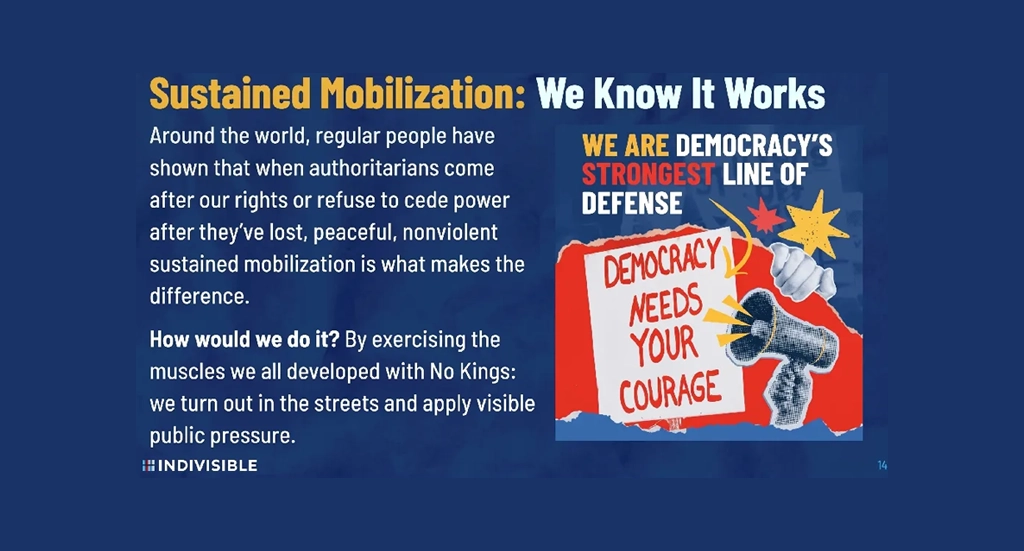
The Democratic Party has been spectacularly ineffective in providing an opposition to Trump’s drive for authoritarian domination. Merely electing Democrats is no solution to the crisis of American democracy. But popular defense of free and fair elections, and a massive electoral repudiation of Trump and MAGA in November, can play an important role in the struggle to democratize the U.S.
Watch: Building and Defending Democracy in November’s Election

Webinar recording from September 22, 2026. Featuring Max Elbaum, Cole Harrison, and Jeremy Brecher
Humans and Nuclear Weapons Can Not Co-Exist!
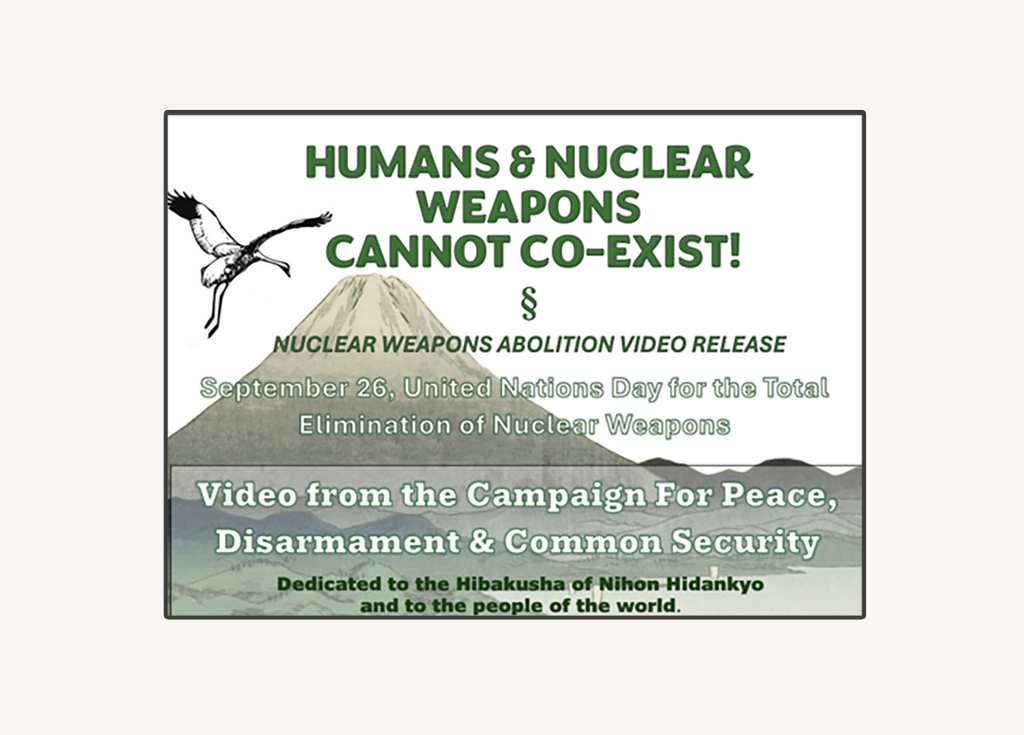
In honor of the UN International Day for the Total Elimination of Nuclear Weapons, and building on the awarding of the 2024 Nobel Peace Prize to Japanese A-bomb survivors, CPDCS is releasing this video advocating for nuclear weapons abolition.
Interview: Takashi Hiraoka: Ex-Hiroshima mayor discusses war, A-bomb, hibakusha

At 98, former Hiroshima mayor Takashi Hiraoka continues to speak out about Japan’s changing approach to peace and military power. Reflecting on his experiences before, during, and after World War II, Hiraoka urges younger generations to protect Japan’s commitment to peace and prevent the horrors of war from being repeated.
World Conference 2026 Report to the CPDCS Board

A reflection on the 2026 World Conference against A- & H-Bombs in Japan, highlighting the enduring solidarity with Hibakusha, growing nuclear dangers in the Indo-Pacific, and the urgent need for nuclear disarmament and support for the TPNW.
Two Speeches from the World Conference Against A- and H-Bombs 2026
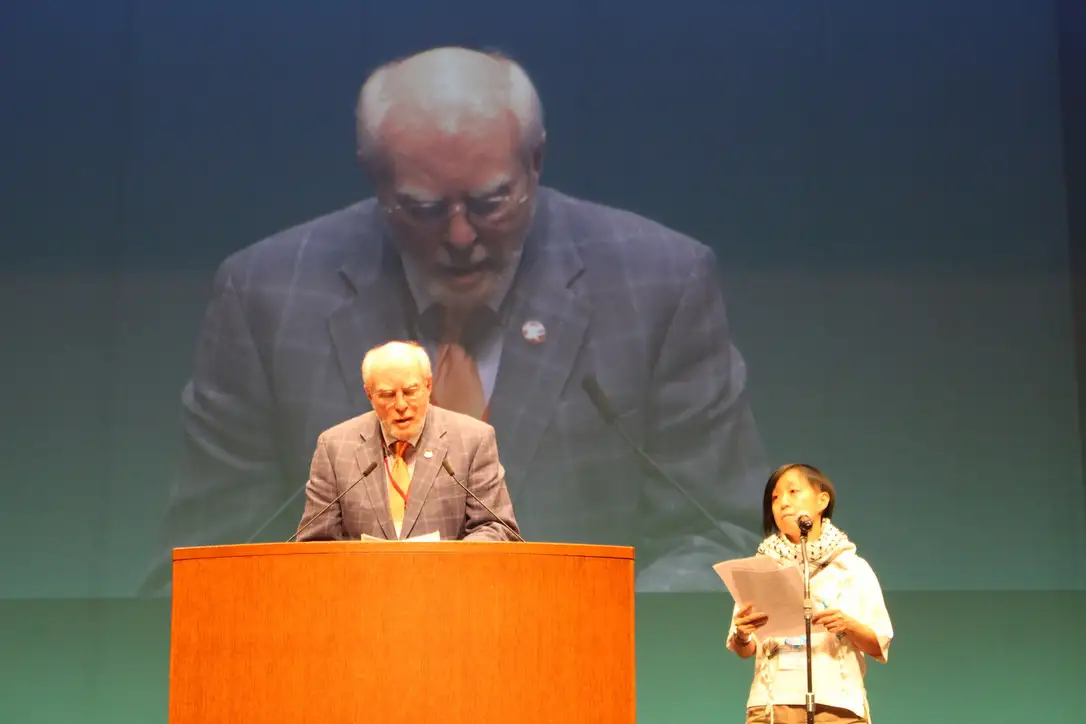
Two speeches by CPDCS Director Joseph Gerson, given on August 3rd and 4th, 2026, at the World Conference Against A and H Bombs in Hiroshima, Japan.
NATO 3.0 Emerges Alive and Dangerous from the Ankara Summit
Despite geopolitical tensions and internal divisions, the latest NATO summit reaffirmed the alliance’s resilience and its commitment to maintaining U.S.-led security cooperation. The summit highlighted increased European military spending, continued support for Ukraine, and NATO’s evolving role in a shifting global order marked by growing strategic competition with Russia, China, Iran, and North Korea.
Stop the Iran War –50+ Organizations Present Letter to Senators Markey and Warren
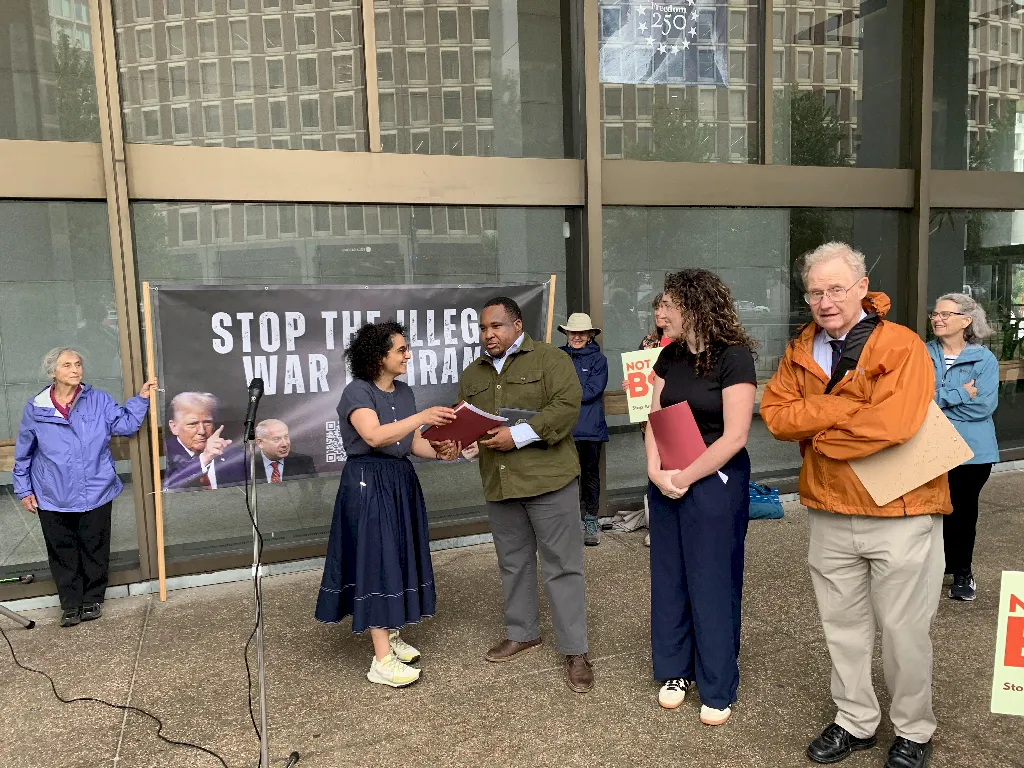
Yesterday, July 7, 2026, CPDCS joined representatives of Massachusetts Peace Action, the National Iranian American Council, Military Families Speak Out and other organizations rallied and presented an organizational letter to Senators Markey’s and Warren’s staff at the Federal Building in Boston. The letter titled, Organizational Letter: Stop the Iran War!, urged an end to the … Read more