Trump’s MOU Is an IOU: The Severe US Losses in Its Misbegotten Iran War
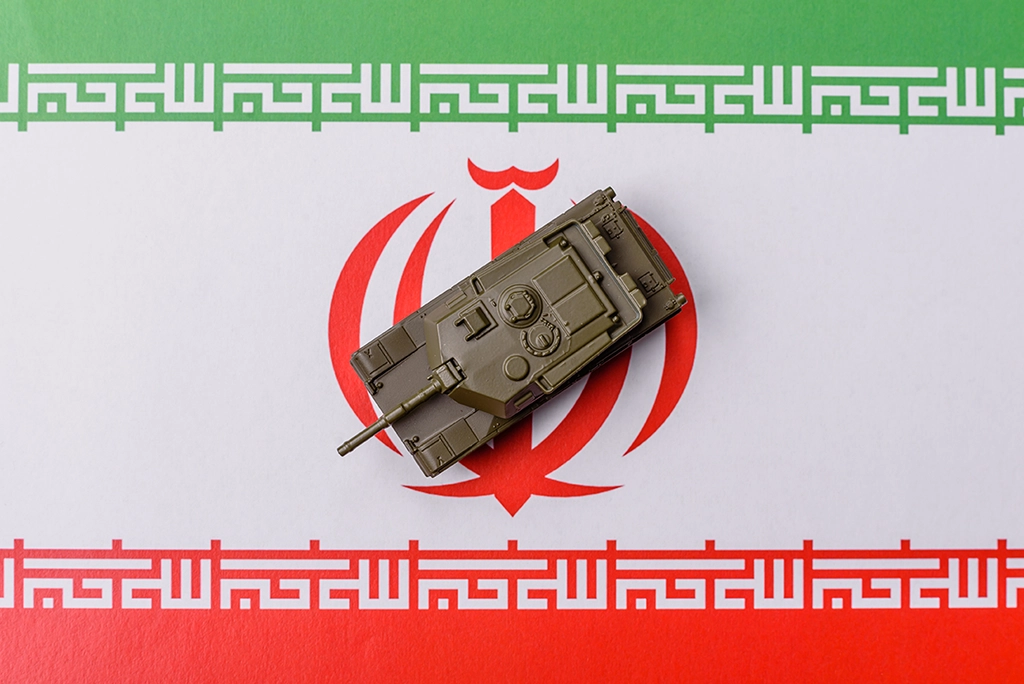
Bottom line: If the war accomplished anything, it accelerated the decline of US power, influence, and economic security.
 sstoker
Bottom line: If the war accomplished anything, it accelerated the decline of US power, influence, and economic security.
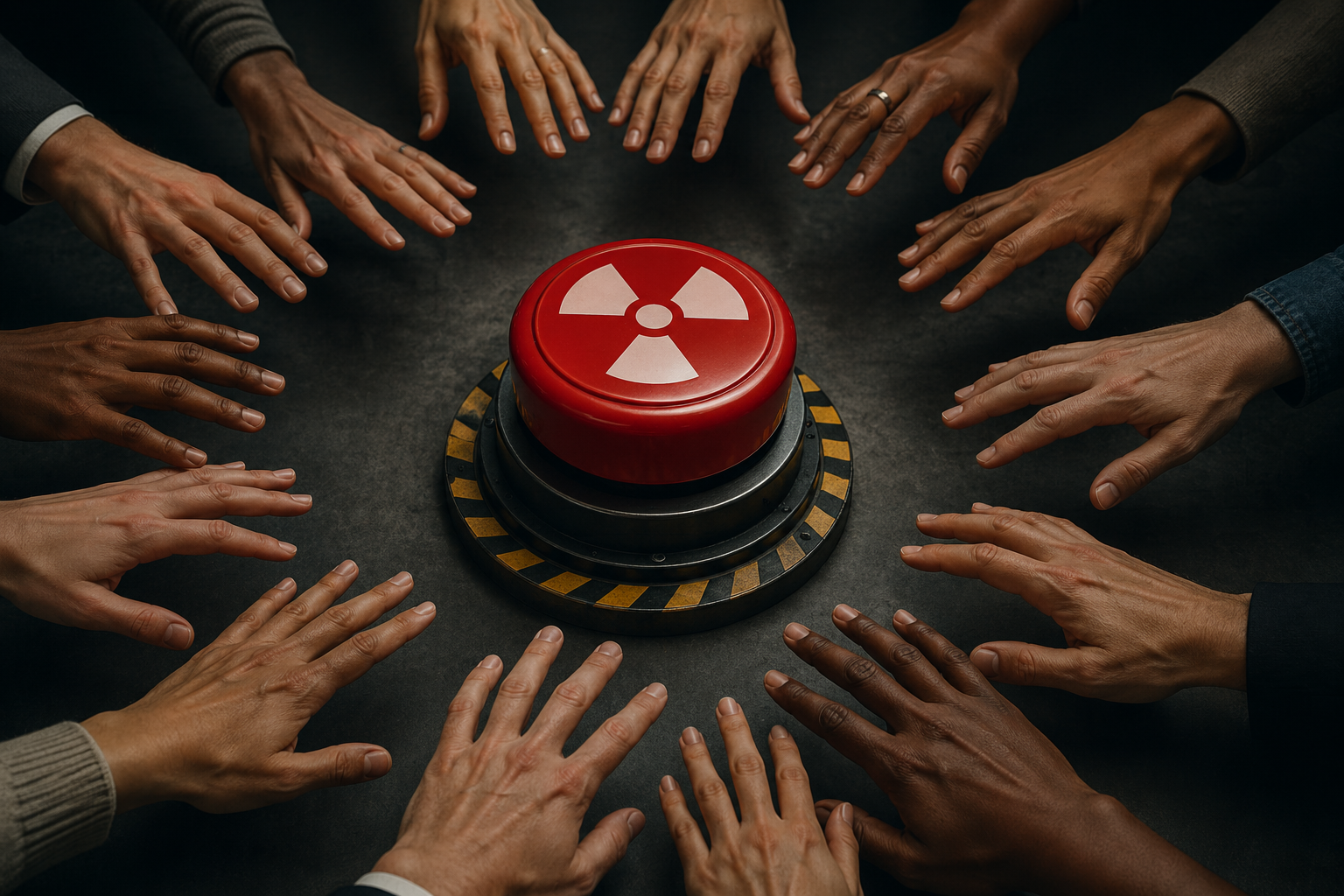
Zia Mian argues that the danger of nuclear weapons has always been understood—even by the leaders who created them—but they continue to be valued as instruments of power. He reframes nuclear deterrence not as a stable strategy, but as a fragile relationship rooted in threat, coercion, and human psychology. While governments maintain the illusion of rational control through bureaucratic systems, the reality is far more uncertain and dangerous. Despite this, Mian emphasizes that public opinion has shifted decisively against nuclear weapons, and a majority of countries now support prohibition. The challenge, he concludes, is not winning the argument—but transforming that majority into real political power.
Friends, During IPB’s Tax Day Global Days of Action on Military Spending webinar, David Vine gave an unexpected, forceful, and compelling talk. He went beyond urging that we do all that we can to oppose Trump’s ghastly plan to increase military spending by $500 Billion Dollars while slashing funding for everything from education and climate to health … Read more
NPT Conference Tectonic Geopolitical Changes: Which Way to Peace and A Nuclear Weapon-Free World On the Eve of the NPT Review Conference International Civil Society Demands an End to Wars & a Nuclear Weapons-Free World Join the conference via live stream. Three weeks before the conference, we already have an in person full house at … Read more
Kevin Martin, president of Peace Action, contrasts the failures of U.S. war-driven politics with the promise of international diplomacy at the NPT Review Conference. Highlighting growing public and political opposition to militarism, he underscores the power of sustained grassroots pressure in shifting policy. Amid rising global tensions and nuclear risks, he calls for collective action toward peace, disarmament, and justice—echoing the urgent plea: No more war, no more nuclear weapons.
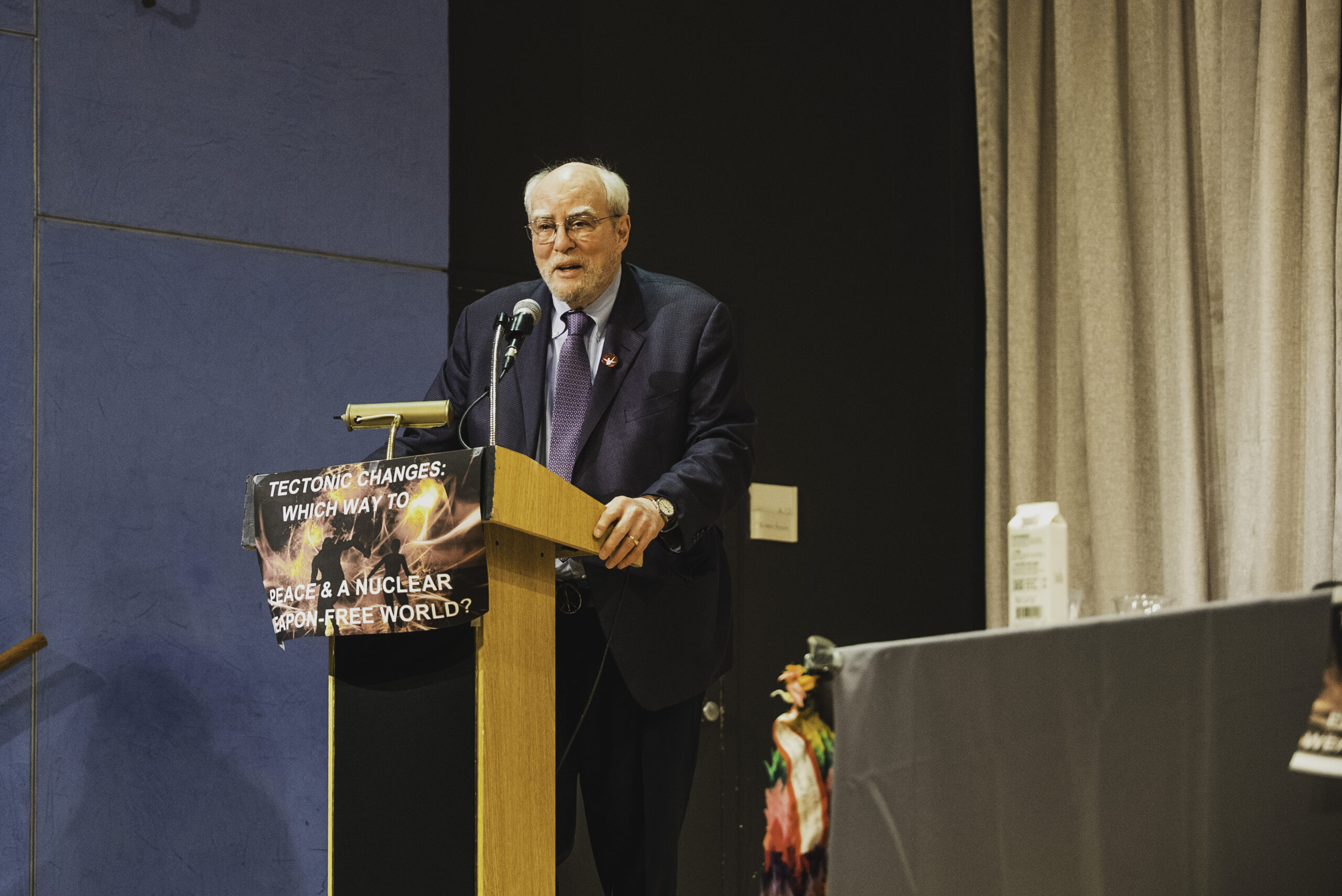
Joseph Gerson warned of rising nuclear dangers, failing treaties, and global instability, stressing that the world is closer than ever to catastrophe. He emphasized that real hope lies in collective action, urging renewed commitment to a nuclear weapon-free world grounded in the lived realities of the Hibakusha.
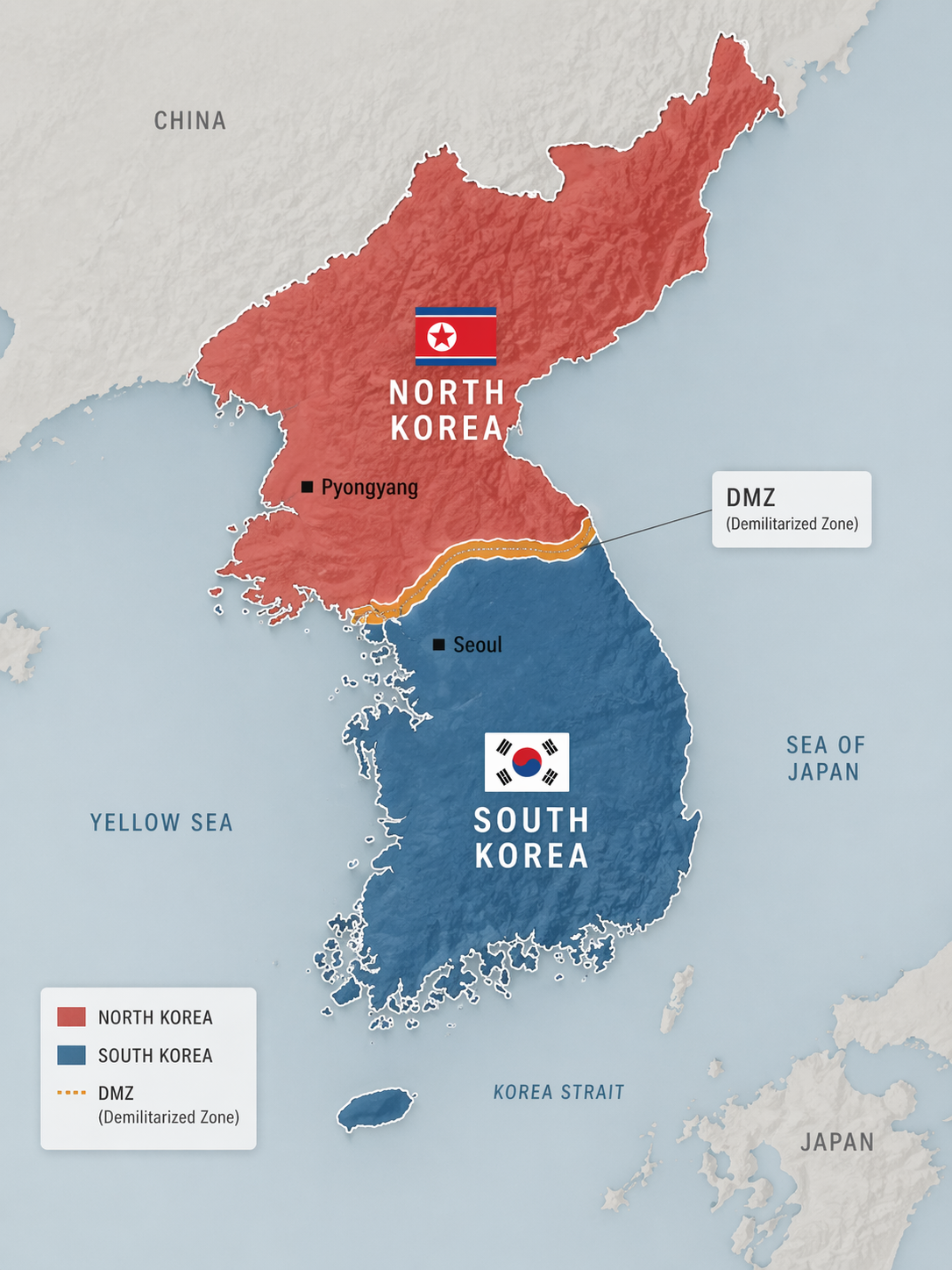
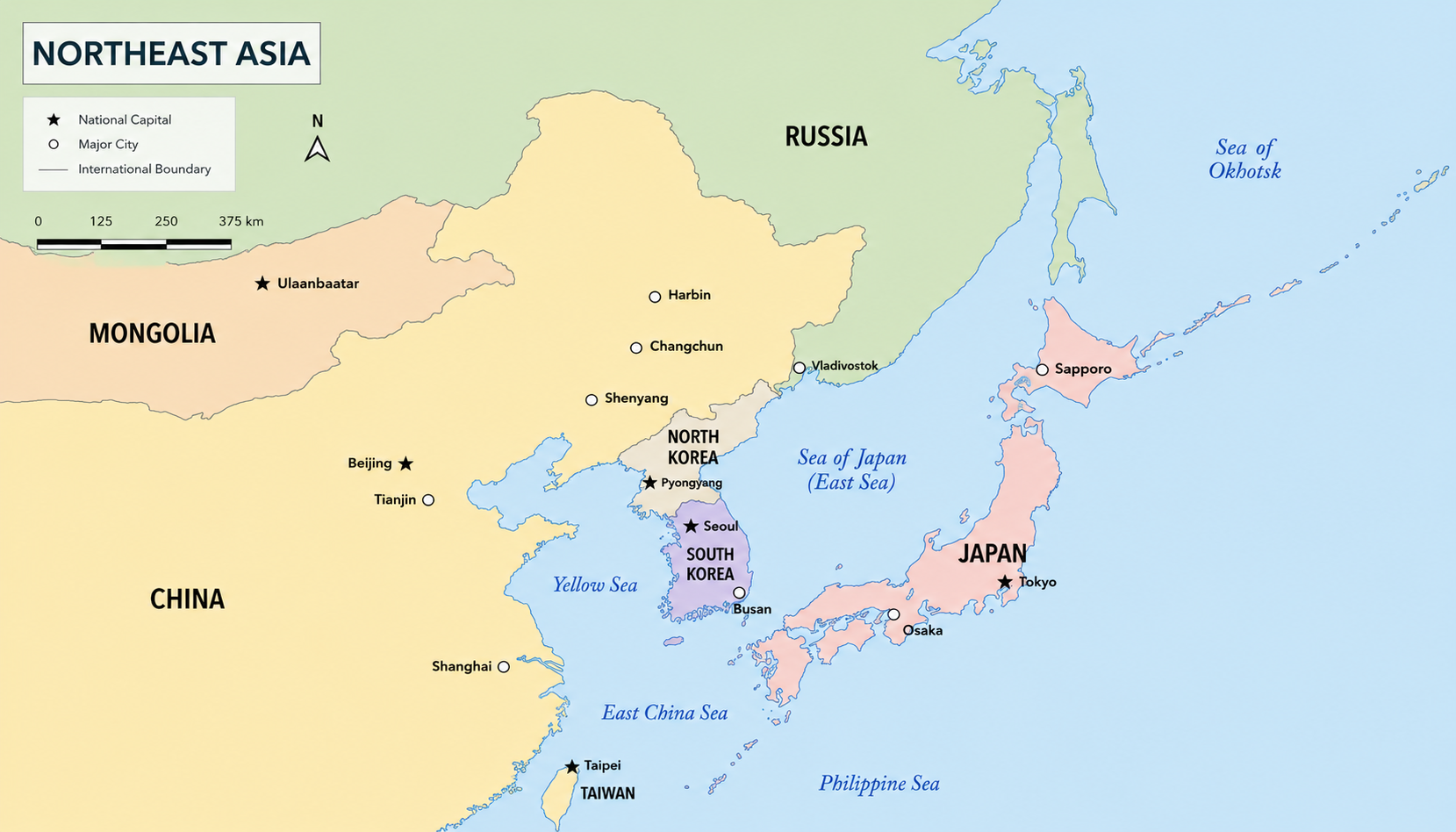
This statement argues that the breakdown of global nuclear disarmament—driven by major powers’ threats and military strategies—has intensified the nuclear crisis, with the Korean Peninsula reflecting this broader confrontation. It highlights historical injustices, escalating tensions, and the dangers of deterrence policies, calling instead for dialogue, peace agreements, and a U.S.–DPRK non-aggression treaty as the only viable path toward denuclearization and lasting global peace.
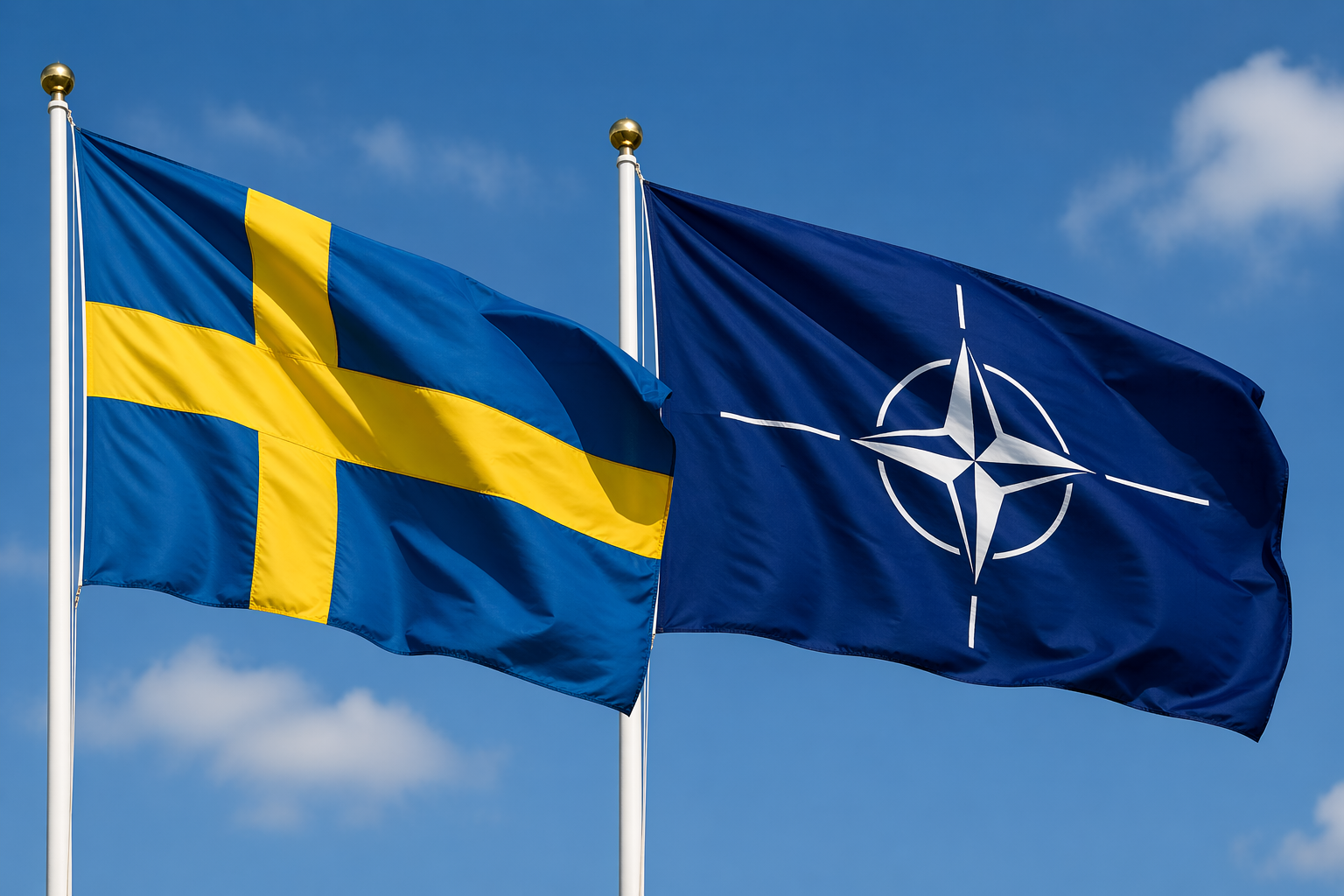
This speech examines Sweden’s shift from a long-standing leader in neutrality and nuclear disarmament to a NATO member increasingly aligned with nuclear deterrence policy. It highlights how rapidly political consensus changed following the war in Ukraine, raising concerns about democratic debate, evolving security priorities, and the tension between Sweden’s disarmament legacy and its current role within a nuclear alliance.
Ray Acheson argues that the world is already in a nuclear arms race, driven by modernization, rising tensions, and disregard for international law by nuclear-armed states. Critiquing the failure to meet disarmament commitments under the NPT, she calls for bold, collective action beyond diplomacy—urging movements, governments, and communities to demand and actively pursue the abolition of nuclear weapons.